How AI is Shaping the Future of Content Localization
In today’s global digital economy, content isn’t just written — it’s experienced by millions of people in different languages and cultures. As companies scale internationally, the demand for localized, culturally relevant content rises fast. Traditional translation methods can’t keep up with this pace — and that’s where AI localization steps in.
The Rise of Global Digital Content
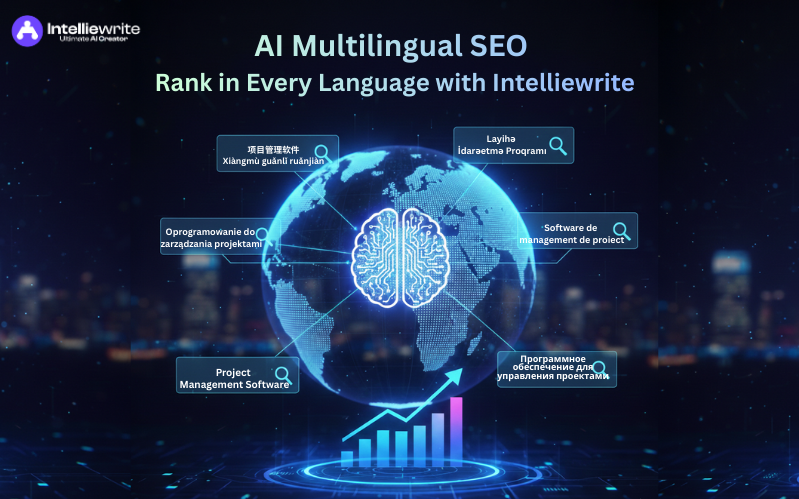
With digital touchpoints multiplying — websites, apps, blogs, ads, social platforms — businesses must communicate clearly with audiences across borders. Localization is more than translation; it’s about contextualizing meaning for each audience. That involves adapting idioms, tone, visuals, and cultural cues to resonate locally.
Before AI, localization workflows were manual, slow, and resource-intensive. Today, automation and language models are helping brands deliver multilingual content with AI quickly and at scale.
The Need for Localization
Localization goes beyond mere translation; it involves adapting content to meet the cultural, linguistic, and contextual needs of different target markets. A one-size-fits-all approach often leads to misunderstandings, lost engagement, and eventually, a failure to connect with the audience. For example, a marketing campaign that performs well in the United States may fail to resonate with audiences in Asia because of cultural differences.
Effective localization can enhance brand loyalty and consumer trust. A study by GALA found that 76% of consumers prefer to buy products with information in their native language. This statistic highlights the essential for businesses to invest in multilingual content solutions to remain competitive in the global marketplace.
How AI Writing Tools Advance Translation and Adaptation
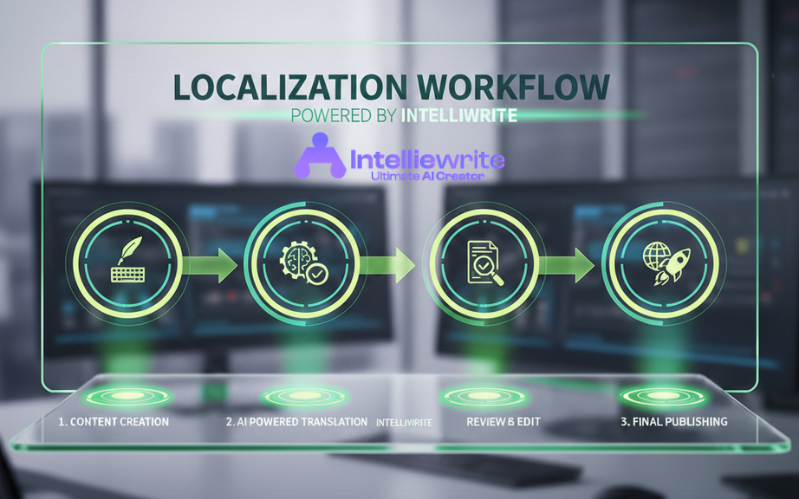
The integration of AI into content localization is revolutionizing how businesses approach translation and adaptation. AI localization tools leverage machine learning algorithms and natural language processing (NLP) to deliver faster, more authentic translations. Here are some ways AI is shaping the future of content localization:
1. Enhanced Accuracy and Consistency
AI-driven localization tools can analyze and learn from vast amounts of data, thereby improving translation accuracy over time. By detecting context, tone, and nuances, these tools ensure that the localized content remains true to the original intent while being culturally relevant.
2. Speed and Efficiency
AI localization tools can significantly reduce turnaround times for content adaptation. Instead of relying solely on human translators, businesses can use AI to handle large volumes of text quickly, enabling faster market entry and more agile content strategies.
3. Cost-Effectiveness
Implementing AI for translations can lead to significant cost savings. Companies can minimize the need for vast human translation efforts, focusing instead on refining and editing AI-generated content, which can be more economical in the long run.
4. Scalability
As businesses develop into new markets, the demand for localized content increases. AI localization tools enable companies to scale their content efforts seamlessly, producing multilingual content without compromising quality.
Using Intelliewrite to Create Consistent Localized Content for Multiple Markets
One up-and-coming tool in this space is Intelliewrite, an all-in-one AI content creation platform designed to scale text and media creation.
What Intelliewrite Offers
Intelliewrite is built to generate a broad range of content types, from blog articles and social posts to metadata and voiceovers — using customizable templates and intuitive prompts. It supports content generation in multiple languages and formats, enabling consistent output across markets.
- Localized Text Generation: Generate blog sections or full articles targeted for regional audiences in the language of your choice.
- Multilingual Templates: Create content frameworks that include SEO titles/meta descriptions adapted for different locales.
- Voiceovers & Multimedia: Produce localized voiceovers in 144+ languages, which is key for video content in global campaigns.
- Consistency Across Channels: Use branded templates to keep tone, style, and messaging consistent across markets — reducing human error.
By leveraging AI for translations and localized writing, Intelliewrite enables teams to maintain quality while scaling output — ideal for global marketing, e-commerce, and enterprise content functions.
Real-World Examples of How Businesses Use AI for Content Localization
Multiple companies have successfully embraced AI-driven content localization strategies, demonstrating the real benefits of this approach. Here are a few notable case studies:
1. Airbnb
Airbnb uses AI-powered localization to adapt its platform for different cultures around the world. With the help of machine learning, it personalizes content and recommendations based on users’ locations and preferences, which improves engagement, enhances the user experience, and leads to more bookings.
2. Netflix
Netflix is another exemplar of successful content localization. The streaming giant uses AI tools to translate and subtitle its vast library of content. By analyzing viewer data, Netflix can determine which shows to localize and how to tailor marketing messages to different regions, leading to higher viewership and subscriber retention.
3. Coca-Cola
Coca-Cola has utilized AI for its marketing campaigns across different markets. By analyzing consumer behaviour and choices, the company can localize its advertising content effectively. This data-driven approach has enabled Coca-Cola to maintain its global brand presence while resonating with local cultures.
Conclusion: AI is the Future of Fast, High-Quality Content Localization
The rise of global digital content presents immense opportunities for businesses willing to adapt. Localization is no longer an optional strategy; it is a necessity for success in diverse markets. AI localization tools are at the forefront of this transformation, offering enhanced accuracy, speed, and cost-effectiveness.
As businesses continue to expand their reach, embracing AI-driven localization will be crucial for creating compelling, culturally relevant content. Companies that sponsor in these technologies will not only improve their engagement with global audiences but also position themselves as leaders in their respective industries.
For businesses navigating the complexities of content localization, leveraging tools like Intelliewrite can provide a significant advantage. The future of content localization is bright, and AI is leading the way.